
 HAZCHEM 2P Un No. 18... Price range: $13.50 through $149.95 exc. GST
- HAZCHEM 2X Un No. 17... Price range: $13.50 through $149.95 exc. GST
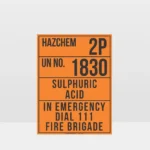

HAZCHEM 2R Un No. 1824 Sodium Hydroxide Sign
Price range: $13.50 through $149.95 exc. GST
HAZCHEM Sign – HAZCHEM 2R Un No. 1824 Sodium Hydroxide Sign
HAZCHEM 2R Un No. 1824 Sodium Hydroxide Sign plays a vital role in maintaining safety, preventing accidents, and ensuring appropriate emergency responses in facilities where sodium hydroxide is used or stored.
- Standard sizes available 300mm x 225mm, 450mm x 337mm, 600mm x 450mm, 800mm x 600mm 1200mm x 900mm.
- Laminated
- Supplied as an adhesive vinyl sticker or mounted on corflute, PVC, Magnetic material or ACM panel
- Meets industry standards when used appropriately
- 300 × 225 mm — Close-range / supplementary (≈≤5 m, not suitable for 10 m)
- 450 × 337 mm — Minimum for ~10 m viewing
- 600 × 450 mm — Recommended (10–15 m)
- 800 × 600 mm — Yard / gate (15–20 m)
- 1200 × 900 mm — Roadside / long approach (25–30 m)
Not every workplace hazard is a sticky mess of corrosives like caustic soda — sometimes it’s the flammable stuff you’ve got to watch out for. Check out our 3YE Petrol HAZCHEM Sign and make sure your bases are covered.
Hazardous Chemical Sign – HAZCHEM 2R Un No. 1824 Sodium Hydroxide Sign
The “HAZCHEM 2R Un No. 1824 Sodium Hydroxide Sign” is important for various reasons related to safety, hazard identification, and regulatory compliance in environments where sodium hydroxide is present:
1. Identifying the Hazard (Sodium Hydroxide)
- Sodium hydroxide (UN No. 1824), also known as caustic soda, is a highly corrosive substance used in a wide range of industries, including chemical manufacturing, soap production, and water treatment.
- The sign alerts individuals to the presence of sodium hydroxide, indicating the need for careful handling due to its potential to cause severe burns, eye damage, and respiratory harm.
2. Emergency Response Information
- HAZCHEM Code “2R”:
- “2” indicates that in case of a spill or fire, fog or fine spray should be used to control the situation, as large amounts of water could spread the corrosive substance or worsen the situation.
- “R” signals that emergency responders should use breathing apparatus and protective gloves when dealing with the substance but do not necessarily need full protective clothing, unlike the “P” classification.
- The UN No. 1824 is a globally recognized identifier for sodium hydroxide, enabling emergency responders and transport personnel to quickly recognize the substance and implement appropriate response procedures.
3. Ensuring Proper Handling and Storage
- Sodium hydroxide is extremely reactive and can cause violent chemical reactions, particularly when in contact with water or incompatible substances (like acids). The sign reminds workers to follow strict handling procedures, such as:
- Using personal protective equipment (PPE), including gloves, face shields, and protective clothing, to prevent direct contact.
- Ensuring proper storage in dry, corrosion-resistant containers to avoid accidental spills or reactions.
4. Preventing Health Risks
- Sodium hydroxide can cause severe skin burns, eye damage, and respiratory issues if inhaled or ingested. The sign alerts workers to these dangers, ensuring they follow appropriate safety protocols to avoid exposure.
- It also prevents accidental contact with other materials that could result in dangerous chemical reactions, such as the release of heat and gases, which could endanger both workers and the environment.
5. Regulatory Compliance
- The HAZCHEM sign ensures compliance with safety regulations that require the clear labeling of hazardous chemicals in industrial and storage areas. This compliance helps avoid potential fines or legal consequences while promoting a safer work environment.
- The sign plays a role in adhering to workplace safety standards, helping to meet industry-specific requirements for chemical handling, storage, and emergency preparedness.
6. Aiding in Emergency Situations
- In the event of a spill, leak, or fire, the HAZCHEM 2R code provides critical information to emergency responders about the necessary firefighting and containment methods, such as using water fog to avoid spreading the substance.
- It also ensures that responders are aware of the level of protective equipment required to handle the substance safely, preventing further injury or contamination.
7. Environmental Protection
- Sodium hydroxide can cause significant environmental harm if released into water systems or soil. The sign helps ensure proper handling and storage, reducing the risk of spills or leaks that could cause ecological damage. In case of an accidental release, it provides clear guidance on how to contain and manage the situation to minimize environmental impact.
Overall Importance
- The “HAZCHEM 2R UN No. 1824 Sodium Hydroxide” sign is crucial for identifying the presence of sodium hydroxide, ensuring safe handling and storage practices, and providing essential information for emergency responders.
- It helps protect workers from health risks associated with sodium hydroxide, ensures compliance with safety regulations, and promotes a safer, more controlled environment for both personnel and the surrounding ecosystem.
Compliance Note (for Hazchem-only signs without pictograms)
Hazchem emergency information panels (EIPs) such as this one are designed for transport and emergency services use under NZS 5433 and UN Recommendations on the Transport of Dangerous Goods. They display the Hazchem code and UN number only.
Unlike GHS labels or dangerous goods placards, Hazchem panels do not include pictograms. This is intentional and compliant — Hazchem codes give fire brigades and emergency responders critical information on firefighting methods, evacuation distances, and protective equipment, which is different from the hazard communication role of GHS pictograms.
The 2R HAZCHEM code means Sodium Hydroxide (Caustic Soda) is a corrosive alkali requiring fine water spray in emergencies — with full protective gear for responders. Learn what each digit and letter means in Understanding HAZCHEM Signs in New Zealand & Australia.
Sodium Hydroxide belongs to Class 8 – Corrosive Substances, known for damaging skin, eyes, and metals.
See how corrosive substances are categorised under AS/NZS 1319:1994 and HSNO in Understanding Dangerous Goods Classes 1–9.
For outdoor tank areas, select ACM metal panels or Corflute for temporary sites. Indoors or small packaging areas? Use laminated vinyl stickers for compact labelling. See which materials suit your setup in How to Choose the Right Size and Material for Your Hazard Signs.
FAQs
1. Why do I need a HAZCHEM 2R UN 1824 Sodium Hydroxide Sign?
This sign clearly identifies the corrosive hazard posed by Sodium Hydroxide and provides emergency responders with the correct Hazchem code (2R) for safe handling in case of spills, leaks, or fire.
2. Where should this sign be displayed?
It should be placed on bulk storage tanks, transport vehicles, site entrances, and chemical storage areas where Sodium Hydroxide is stored or used in quantities requiring DG signage.
3. What does the “2R” code mean?
The 2 means emergency services must use fine spray to fight fire, and the R indicates that full protective clothing with breathing apparatus is required, with a risk of violent reaction if water is used incorrectly.
If you’ve ever had caustic splash on the floor, you’ll know this one’s no joke — a 2R Sodium Hydroxide Sign keeps everyone safe and your WorkSafe NZ inspector smiling. Pair it with the Sulphuric Acid HAZCHEM Sign to fully mark corrosive storage areas.
How to choose the right mounting options.
Corflute: short-term term less than 2 years outdoors
Thin PVC: Medium term, more than 2 years
ACM: Long term 5 years or more
Supplied as a sticker:
long-term digital print laminated for long-term use. With a life of 5 years or more. We use a Hi Tac vinyl which allows it to be applied to most surfaces.
Magnetic mounting option for the HAZCHEM 2R Un No. 1824 Sodium Hydroxide Sign
Flexible, vehicle-grade magnetic placards with the HAZCHEM 2R Un No. 1824 Sodium Hydroxide Sign printed on premium vinyl, laminated, and mounted to automotive magnetic sheeting. They stick to ferrous steel panels and remove without residue—ideal for vehicles that only carry DG sometimes.
Who they’re for
-
Contractors / couriers who transport Dangerous Goods occasionally
-
Hire or multi-use vehicles (no permanent signage)
-
Sites that swap classes depending on load (quick changeover)
-
Magnet: vehicle-grade sheet, 0.8–1.0 mm thick (30–40 mil), high-energy.
-
Face film: outdoor self-adhesive vinyl + UV laminate (gloss).
-
Operating temp: suitable from winter cold to summer heat (typical automotive range).
Where they work (and don’t)
-
Works on: painted steel panels that are flat, clean, and smooth.
-
Doesn’t work on: aluminium, stainless, plastics, composites, heavy body filler; vinyl wraps, ceramic coatings, heavily textured paint.
-
If customers have aluminium doors/ute trays, suggest self-adhesive or rigid ACM instead.
Fitment checklist
-
Clean & dry the panel (no wax/polish).
-
Warm, flat magnet—no curl.
-
Apply to flat steel only; press from centre out.
-
Do not bridge panel gaps, ribs or sharp curves.
-
Remove daily to clean/dry both surfaces; store flat.
-
In heavy rain/highway speeds, check edges haven’t lifted.
Care & maintenance
-
Remove and wipe after wet weather; store flat (never rolled tight).
-
Move position slightly each week to avoid differential fading.
-
Avoid use on freshly resprayed paint (allow full cure).
Compliance note
-
Magnet is a mounting method. The operator must ensure placards are the correct class, size, and securely affixed for the journey. Some carriers or site rules may require permanent/rigid placards—check your procedure.
For more information check out these links
-
WorkSafe NZ – Hazardous Substances Management
👉 WorkSafe NZ – Hazardous substances -
EPA NZ – HSNO Act guidance
👉 EPA NZ – Hazardous Substances and New Organisms (HSNO) Act -
United Nations GHS
👉 UN – Globally Harmonized System (GHS) - Why you need the correct Hazard sign
The mission of Hazard Signs NZ is to provide quality-made safety signs to all of New Zealand. Our great prices and convenient online ordering platform make us a preferred supplier to many NZ businesses. All our signs are designed and manufactured in Invercargill to meet the workplace health and safety needs of all businesses and industries in New Zealand.
Please note. We make some of our safety signs to order and it may take 5 to 10 business days to receive. If you require your order urgently, please don’t hesitate to contact us to confirm an estimated delivery date prior to placing your order.
If you are not sure about what sign you need for your business, just contact us at +6432183350 or email us and we will make it ready for you.

| Material | Self Adhesive Vinyl Sticker, Magnetic Material, Corflute Sheet, Thin PVC Sheet, ACM Metal sheet |
|---|---|
| Size | 1200mm x 900mm, 800mm x 600mm, 900mm x 675mm, 1200mm x 800mm, 600mm x 900mm, 300mm x 225mm, 450mm x 337mm, 600mm x 450mm |
You must be logged in to post a review.
Related products
-

Class 2 Flammable Gas Sign
Price range: $13.95 through $89.95 exc. GSTSKU: hazardous_016_017_019
-
Class 2.3 Toxic Gas Sign
Price range: $13.95 through $89.95 exc. GSTSKU: hazardous_021
-
Class 3 Flammable Liquid Sign
Price range: $13.95 through $89.95 exc. GSTSKU: hazardous_024to026
-
Class 8 Corrosive Sign
Price range: $13.95 through $89.95 exc. GSTSKU: hazardous_051_064


There are no reviews yet.