

 Acetylene Dissolved ... Price range: $13.50 through $149.95 exc. GST
 Phosphoric Acid Solu... Price range: $13.50 through $149.95 exc. GST
Oxygen Compressed Emergency Information Panel Sign
Price range: $13.50 through $149.95 exc. GST
HAZCHEM Sign – Oxygen Compressed Emergency Information Panel Sign
“Oxygen Compressed Emergency Information Panel Sign” – By clearly communicating the hazards and appropriate emergency actions for compressed oxygen, this sign helps prevent accidents, ensures proper handling, and facilitates an effective response in emergency situations to protect both people and the environment.
- Standard sizes available 300mm x 225mm, 450mm x 337mm, 600mm x 450mm, 900mm x 600mm 1200mm x 800mm.
- Laminated
- Supplied as an adhesive vinyl sticker or mounted on corflute, PVC, Magnetic material or ACM panel
- Meets industry standards when used appropriately
- 300 × 225 mm — Close-range / supplementary (≈≤5 m, not suitable for 10 m)
- 450 × 337 mm — Minimum for ~10 m viewing
- 600 × 450 mm — Recommended (10–15 m)
- 900 × 600 mm — Yard / gate (15–20 m)
- 1200 × 800 mm — Roadside / long approach (25–30 m)
“Not all gases play nice — if your oxygen cylinders are hanging out with other chemicals, check out our Multi-Storage HAZCHEM Sign to keep things clearly marked and compliant, bro!”
EIP Sign – Oxygen Compressed Emergency Information Panel Sign
Oxygen Compressed Emergency Information Panel Sign – The Oxygen Compressed Emergency Information Panel (EIP) Sign serves an important role in ensuring safety and providing critical information for handling emergencies involving compressed oxygen cylinders or storage systems. Its main purposes include:
- Chemical Identification: The sign identifies the presence of compressed oxygen, a non-flammable but highly reactive gas. This ensures that anyone on-site or responding to an emergency is aware of the specific substance involved, allowing for appropriate safety measures.
- Hazard Communication: It informs personnel and first responders about the dangers of compressed oxygen, including:
- Oxidizing Properties: Oxygen itself is not flammable, but it significantly enhances combustion. In an oxygen-rich environment, materials that are not typically combustible may catch fire or burn more intensely.
- Pressure Hazards: Compressed oxygen cylinders are under high pressure, and if mishandled, they can rupture or explode, causing serious damage or injury.
- Safety Precautions: The sign provides guidelines for safe handling and storage of compressed oxygen cylinders, such as:
- Storing oxygen cylinders upright and secured to prevent tipping.
- Keeping oxygen away from heat sources, flames, and flammable materials.
- Using only equipment and materials that are oxygen-compatible, as certain oils, greases, or materials can ignite in the presence of high oxygen concentrations.
- Emergency Response Instructions: In case of a fire, leak, or other emergencies involving compressed oxygen, the sign guides first responders on how to safely manage the situation. This includes:
- Evacuating personnel from the area if oxygen enrichment is suspected.
- Using fire extinguishing agents suitable for the materials involved in the fire, as oxygen itself doesn’t burn but makes other materials burn faster.
- Ventilating the area to reduce oxygen concentration.
- Health and First Aid Procedures: While oxygen is not toxic, its high concentrations can pose respiratory risks, especially in enclosed spaces. The panel may also provide basic first aid measures for people who might be suffering from oxygen overexposure, such as moving to a well-ventilated area and seeking medical assistance.
Specialist Advice Field – What To Add
On all Emergency Information Panel (EIP) Signs, there is a section labelled “Specialist Advice”. This is where you can add contact details for immediate technical or emergency response advice.
For example, you can include:
-
Company emergency phone number (e.g. 0800 XXX XXX)
-
On-site chemical specialist or health & safety officer contact
-
Emergency response contractor details (e.g. CHEMCALL, if your company is subscribed, or another provider)
-
Internal HSE department contact
👉 If you don’t have a specialist service, you can still include a company name and phone number so first responders know who to contact immediately.
NOTE: If you wish to use 0800 CHEMCALL, please note that this service is operated by Responsible Care NZ and permission/approval must be obtained directly from them prior to use.
FAQs
1. Why do I need an Oxygen Compressed Emergency Information Panel Sign?
This sign is required for vehicles or facilities transporting or storing compressed oxygen cylinders or tanks. It helps emergency services immediately identify that the contents are an oxidising gas (Class 2.2 + 5.1), which intensifies combustion and presents an asphyxiation risk. Complies with NZS 5433 and HSNO Regulations for correct hazard identification.
2. Where should this sign be displayed?
Install the panel on tankers, cylinder storage cages, or fixed installations where oxygen cylinders are stored or filled. The sign should be mounted at eye level and visible from at least 15 metres — ideally near site entrances, vehicle doors, or access gates for first responders.
3. What can I include in the “Specialist Advice” section?
You can include a 24-hour emergency contact number (such as CHEMCALL or your company’s emergency line) and specific safety notes like “Ventilate area – do not use near oil or grease.” We can customise this area with your wording for a $25 design setup fee.
The Oxygen Compressed EIP Sign clearly displays UN 1072, HAZCHEM 2SE, and a space for your Specialist Advice contact — essential for bulk cylinder storage, medical gas facilities, engineering workshops, and industrial sites.
Learn when EIPs are mandatory and how to complete each field correctly in our guide:
➡️ Emergency Information Panel Signs Explained
Storing oxygen bottles? Best label the area before someone turns a tiny spark into a backyard hangi gone wrong!
For complete cylinder-area labelling, also check out our:
➡️ Ammonia Solution EIP Sign
Compressed oxygen is a Class 2.2 – Non-Flammable Gas, but it becomes extremely hazardous when combined with flammable materials — accelerating combustion and supporting fires.
Learn how NZS 5433 classifies gases, liquids, and oxidisers in:
➡️ Understanding Dangerous Goods Classes 1–9
The 2S code tells emergency responders that fine water spray may be used for cooling, but oxygen dramatically increases fire intensity — making smoke-tight chemical suits required.
Understand how each code helps NZ and Australian responders interpret risks in:
➡️ Understanding HAZCHEM Signs in New Zealand & Australia
How to choose the right mounting options.
Corflute: short-term term less than 2 years outdoors
Thin PVC: Medium term, more than 2 years
ACM: Long term 5 years or more
Supplied as a sticker:
long-term digital print laminated for long-term use. With a life of 5 years or more. We use a Hi Tac vinyl which allows it to be applied to most surfaces.
Magnetic mounting option for the Oxygen Compressed Emergency Information Panel Sign
Flexible, vehicle-grade magnetic placards with the Oxygen Compressed Emergency Information Panel Sign printed on premium vinyl, laminated, and mounted to automotive magnetic sheeting. They stick to ferrous steel panels and remove without residue—ideal for vehicles that only carry DG sometimes.
Who they’re for
-
Contractors / couriers who transport Dangerous Goods occasionally
-
Hire or multi-use vehicles (no permanent signage)
-
Sites that swap classes depending on load (quick changeover)
-
Magnet: vehicle-grade sheet, 0.8–1.0 mm thick (30–40 mil), high-energy.
-
Face film: outdoor self-adhesive vinyl + UV laminate (gloss).
-
Operating temp: suitable from winter cold to summer heat (typical automotive range).
Where they work (and don’t)
-
Works on: painted steel panels that are flat, clean, and smooth.
-
Doesn’t work on: aluminium, stainless, plastics, composites, heavy body filler; vinyl wraps, ceramic coatings, heavily textured paint.
-
If customers have aluminium doors/ute trays, suggest self-adhesive or rigid ACM instead.
Fitment checklist
-
Clean & dry the panel (no wax/polish).
-
Warm, flat magnet—no curl.
-
Apply to flat steel only; press from centre out.
-
Do not bridge panel gaps, ribs or sharp curves.
-
Remove daily to clean/dry both surfaces; store flat.
-
In heavy rain/highway speeds, check edges haven’t lifted.
Care & maintenance
-
Remove and wipe after wet weather; store flat (never rolled tight).
-
Move position slightly each week to avoid differential fading.
-
Avoid use on freshly resprayed paint (allow full cure).
Compliance note
-
Magnet is a mounting method. The operator must ensure placards are the correct class, size, and securely affixed for the journey. Some carriers or site rules may require permanent/rigid placards—check your procedure.
For more information check out these links
-
WorkSafe NZ – Hazardous Substances Management
👉 WorkSafe NZ – Hazardous substances -
EPA NZ – HSNO Act guidance
👉 EPA NZ – Hazardous Substances and New Organisms (HSNO) Act -
United Nations GHS
👉 UN – Globally Harmonized System (GHS) - Why you need the correct Hazard sign
The mission of Hazard Signs NZ is to provide quality-made safety signs to all of New Zealand. Our great prices and convenient online ordering platform make us a preferred supplier to many NZ businesses. All our signs are designed and manufactured in Invercargill to meet the workplace health and safety needs of all businesses and industries in New Zealand.
Please note. We make some of our safety signs to order and it may take 5 to 10 business days to receive. If you require your order urgently, please don’t hesitate to contact us to confirm an estimated delivery date prior to placing your order.
If you are not sure about what sign you need for your business, just contact us at +6432183350 or email us and we will make it ready for you.

| Material | Self Adhesive Vinyl Sticker, Magnetic Material, Corflute Sheet, Thin PVC Sheet, ACM Metal sheet |
|---|---|
| Size | 1200mm x 800mm, 600mm x 900mm, 300mm x 225mm, 450mm x 337mm, 600mm x 450mm |
You must be logged in to post a review.
Related products
-
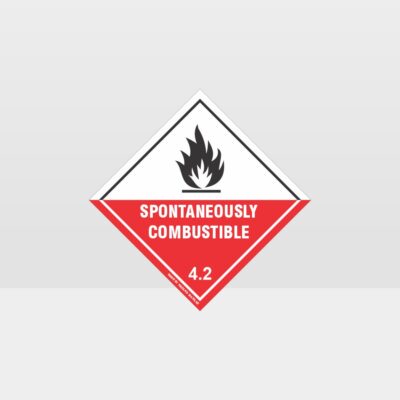
Class 4.2 Spontaneously Combustible Sign
Price range: $13.95 through $89.95 exc. GSTSKU: hazardous_031
-

Class 2.2 Non-Flammable Non-Toxic Gas Sign
Price range: $13.95 through $89.95 exc. GSTSKU: hazardous_020
-
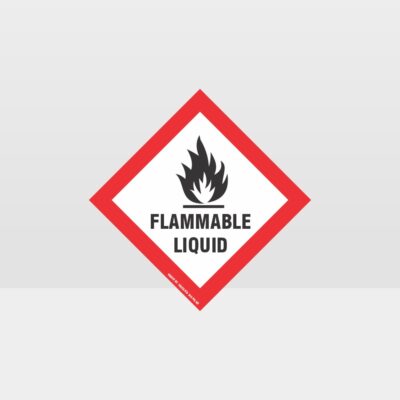

Class 3 Flammable Liquid Sign
Price range: $13.95 through $89.95 exc. GSTSKU: hazardous_024to026
-

Class 6.1 Toxic Sign
Price range: $13.95 through $89.95 exc. GSTSKU: hazardous_041
There are no reviews yet.