How to Choose the Right Size and Material for Your Hazard Signs (NZ Visibility & Durability Guide)
🧱 Why Size and Material Matter
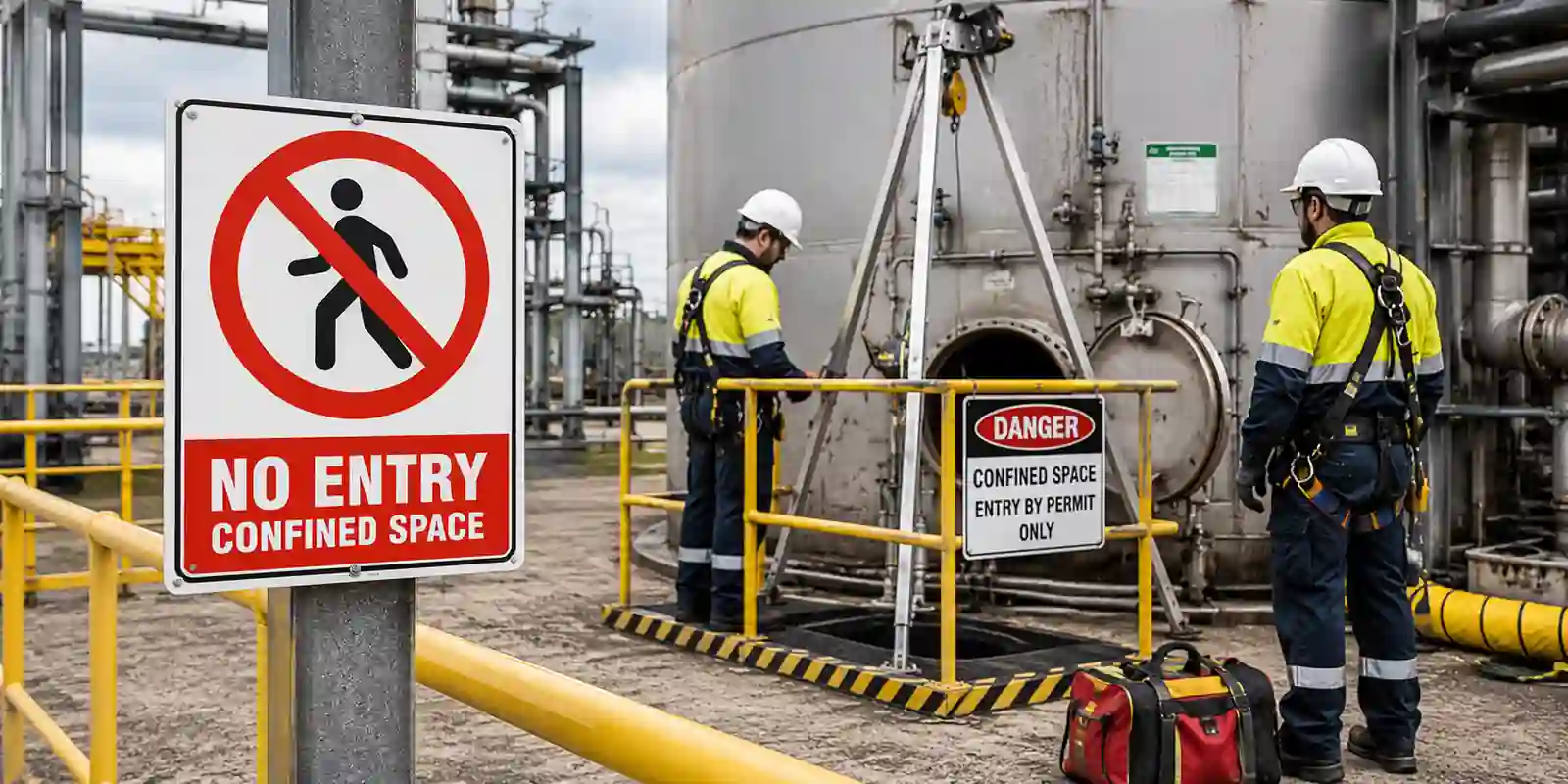
Choosing the correct sign size and material isn’t just about looks — it’s about safety, visibility, and compliance.
Under AS/NZS 1319:1994 – Safety Signs for the Occupational Environment, signs must be legible from a safe viewing distance and durable enough for the conditions they’re exposed to.
Whether it’s a HAZCHEM panel on a fuel tank, a Caution sign on a forklift route, or a Danger sign near electrical gear, size and placement directly affect compliance — and how quickly your message is understood in an emergency.
📐 Recommended Sign Sizes & Viewing Distances
To meet industry standards and WorkSafe NZ expectations, we recommend the following standard sizes for all hazard and HAZCHEM signs:
| Size (mm) | Recommended Use | Viewing Distance |
|---|---|---|
| 300 × 225 mm | Close-range or supplementary use | Up to 5 m (not suitable for 10 m) |
| 450 × 337 mm | Minimum general-use size | Up to 10 m |
| 600 × 450 mm | Standard workplace size | 10–15 m |
| 900 × 600 mm | Yard or site-gate signage | 15–20 m |
| 1200 × 800 mm | Roadside / long-approach visibility | 25–30 m |
💡 Tip: Larger signs aren’t just more visible — they’re easier for inspectors to read from a distance, reducing compliance risks.
⚙️ Choosing the Right Material
Every site is different — so pick materials that balance durability, mounting options, and cost.
| Material | Best For | Durability | Mounting Options |
|---|---|---|---|
| Laminated Vinyl Sticker | Smooth indoor/outdoor surfaces | Long-term (UV-protected) | Direct application |
| PVC Panel (2mm) | Light-duty indoor or sheltered outdoor use | Medium-term | Screws or double-sided tape |
| Corflute Sheet (5 mm) | Temporary or portable signage | Short to medium-term | Zip ties or adhesive |
| ACM Panel (4 mm) | Permanent outdoor signage | Long-term, rigid | Screws, Bolts, rivets, or posts |
| Magnetic Panel | Vehicles or movable tanks | Long-term if stored flat | Magnetic adhesion |
All signs from Hazard Signs NZ are laminated for UV protection, chemical resistance, and easy cleaning.
🧩 Environmental Factors to Consider
When selecting size and material, keep in mind:
-
Sun Exposure: UV light can fade non-laminated signs in under a year, that is why all our Hazard signs are laminated for long term outdoor use.
-
Chemical Contact: Acidic or oily vapours demand chemically resistant lamination.
-
Mounting Surface: Uneven or flexible surfaces are not suited for vinyl or magnetic signs.
-
Weather: For exposed, windy locations — choose ACM or PVC panels over corflute.
🛠️ Compliance Reminder
According to AS/NZS 1319:1994 and WorkSafe NZ guidance, signs must:
-
Use contrasting colours for maximum legibility.
-
Be durable and securely fixed to resist damage.
-
Be readable from the appropriate distance based on sign size.
-
Follow correct safety colour codes (e.g. red for Danger, yellow for Caution, orange for Warning, blue for Mandatory).
Failure to meet these requirements can result in a WorkSafe notice under the Health and Safety at Work (General Risk and Workplace Management) Regulations 2016.
🧠 Example: HAZCHEM & Dangerous Goods Panels
For fuel depots or chemical storage, the right size is critical for responders to identify hazards quickly.
-
600 × 450 mm is the recommended general-use size for tanks and loading zones.
-
900 × 600 mm suits yard gates and vehicle entry points.
-
1200 × 800 mm is ideal for roadside visibility or large tank farms.
💬 Pro tip: Pair your EIP or HAZCHEM signs with a matching class placard to ensure full site compliance.
🔗 Related Products
⚖️ External References
💬 Note
The right sign size and material aren’t guesswork — they’re a compliance essential.
At Hazard Signs NZ, every product is designed for New Zealand conditions — laminated, UV-stable, and printed for maximum clarity.
Whether you’re labelling a small cabinet or a large fuel yard, we’ll help you choose the perfect size, material, and mounting option to stay safe and compliant.