Prohibition Signs in the Workplace: What They Mean and Why They Matter
What Are Prohibition Signs?
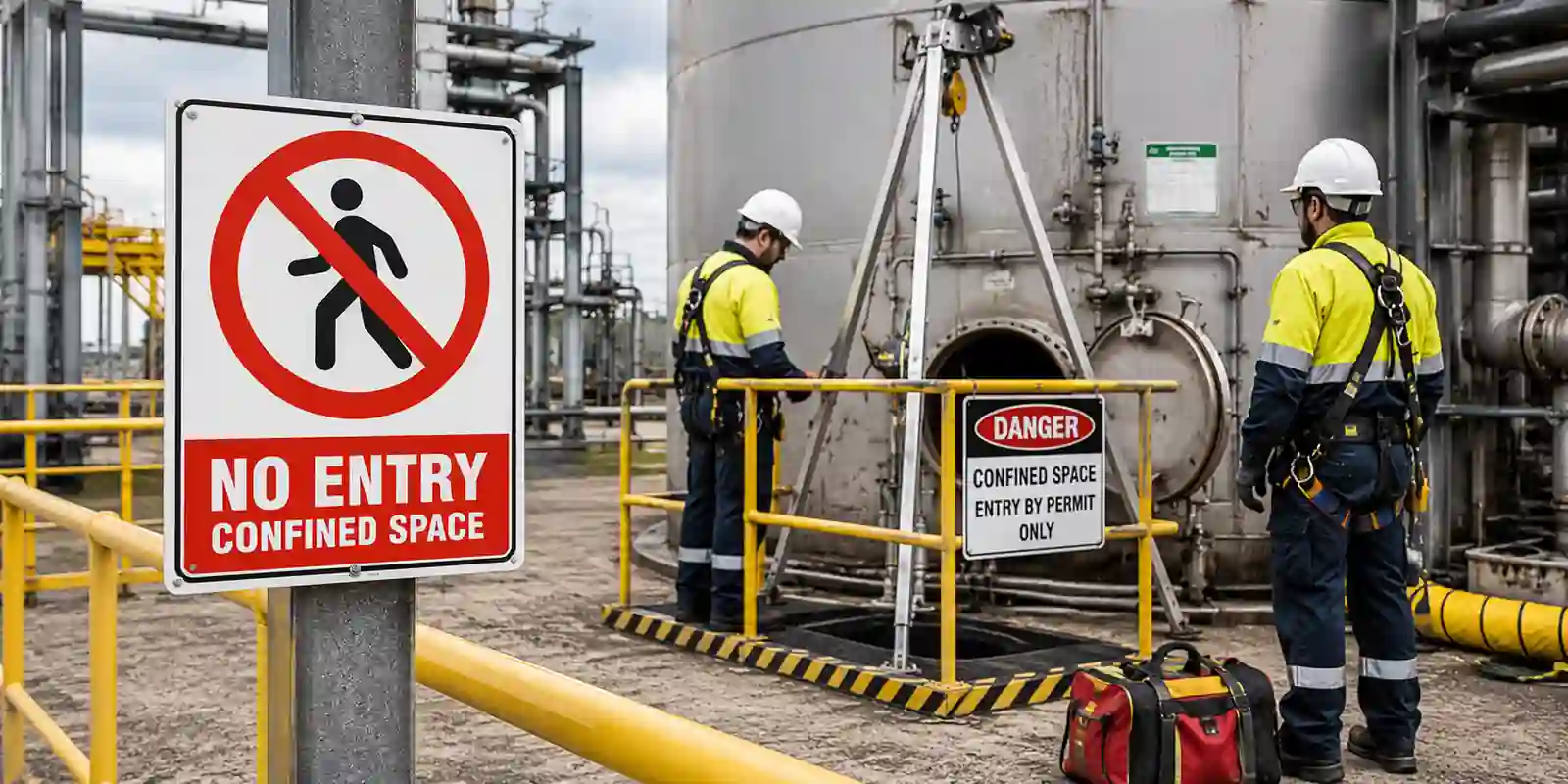
Prohibition Signs are safety signs used to clearly indicate actions that are not permitted. Their purpose is simple: to stop people from doing something that could create a safety risk, damage property, breach site rules, or place others in danger.
These signs are recognised by their distinctive design:
- Red circular border
- Red diagonal slash
- White background
- Black symbol or pictogram
The red circle and slash immediately communicate a universal message:
“Do Not Do This.”
Prohibition Signs are used throughout New Zealand workplaces, schools, healthcare facilities, construction sites, warehouses, public spaces, sports facilities and industrial environments.
Why Are Prohibition Signs Important?
Many workplace incidents occur because people unknowingly enter restricted areas, use equipment incorrectly, or ignore site rules.
Prohibition Signs help prevent these situations before they occur by providing clear visual instructions.
Benefits include:
- Improving workplace safety
- Reducing accidents and injuries
- Supporting site rules and policies
- Protecting workers and visitors
- Improving hazard awareness
- Supporting compliance with workplace safety requirements
A clear sign placed in the right location can prevent costly mistakes and significantly improve workplace safety.
What Standard Applies to Prohibition Signs?
In New Zealand, workplace safety signs are commonly designed in accordance with:
AS/NZS 1319:1994 – Safety Signs for the Occupational Environment
This standard provides guidance on the design, colours and symbols used for workplace safety signage.
Under AS/NZS 1319, Prohibition Signs use:
- Red circle
- Red diagonal slash
- Black symbol
- White background
This colour combination helps ensure the sign is instantly recognised as a prohibition instruction.
When Should Prohibition Signs Be Used?
Prohibition Signs should be used whenever an activity needs to be restricted, controlled or prevented.
Common examples include:
- Preventing access to hazardous areas
- Restricting smoking
- Prohibiting alcohol consumption
- Restricting vehicle access
- Preventing unauthorised entry
- Restricting equipment use
- Protecting pedestrians
The goal is to communicate a clear instruction before unsafe behaviour occurs.
Common Types of Prohibition Signs
No Smoking Signs
No Smoking Signs are among the most commonly used Prohibition Signs in New Zealand.
They are used to:
- Maintain smoke-free environments
- Protect public health
- Reduce fire risks
- Support workplace policies
Common locations include:
- Building entrances
- Healthcare facilities
- Schools
- Workplaces
- Public buildings
Explore our range of No Smoking Signs.
No Entry Signs
No Entry Signs prevent unauthorised access to restricted areas.
These signs are commonly used at:
- Construction sites
- Warehouses
- Electrical rooms
- Plant rooms
- Maintenance areas
- Restricted access zones
A clearly visible No Entry Sign helps protect both workers and visitors.
Alcohol Not Permitted Signs
Alcohol Not Permitted Signs are used to identify alcohol-free areas.
Common locations include:
- Schools
- Sports facilities
- Public parks
- Community centres
- Workplaces
- Government buildings
These signs help communicate site policies and maintain safe environments.
No Forklift Signs
Forklifts create significant workplace risks when operated in pedestrian areas.
No Forklift Signs help:
- Separate vehicles and pedestrians
- Reduce collision risks
- Improve site traffic management
They are commonly used near:
- Walkways
- Office areas
- Staff facilities
- Visitor zones
No Pedestrian Signs
No Pedestrian Signs identify areas where pedestrian access is prohibited.
Common locations include:
- Loading zones
- Operating plant areas
- Construction sites
- Vehicle-only areas
These signs help prevent people entering dangerous environments.
No Dogs Signs
Prohibition No Dogs are commonly used in:
- Public reserves
- Sports fields
- Schools
- Playgrounds
- Food preparation areas
They help maintain hygiene, safety and site compliance.
No Dumping Signs
Illegal dumping can create environmental, financial and safety problems.
No Dumping Signs help:
- Deter unwanted waste disposal
- Protect private property
- Reduce clean-up costs
These signs are commonly used at industrial sites, rural properties and public reserves.
No Camping Signs
No Camping Signs identify areas where overnight stays are prohibited.
Common uses include:
- Private property
- Commercial premises
- Public reserves
- Car parks
These signs help prevent unauthorised occupation of land.
Prohibition Signs vs Other Safety Signs
Many people confuse Prohibition Signs with Warning Signs and Mandatory Signs.
However, each serves a different purpose.
| Sign Type | Purpose |
|---|---|
| Prohibition | Do not do this |
| Warning | Hazard exists |
| Mandatory | You must do this |
| Emergency | Safety equipment or emergency information |
| Fire | Fire equipment and fire safety information |
Examples:
Prohibition
No Smoking
Warning
Warning Forklift Operating
Mandatory
Safety Glasses Must Be Worn
Understanding these differences helps ensure the correct sign is used.
Choosing the Right Prohibition Sign
When selecting a Prohibition Sign, consider:
The Activity Being Restricted
What behaviour needs to be prevented?
Examples:
- Smoking
- Drinking alcohol
- Entry
- Vehicle access
- Equipment operation
Viewing Distance
Signs should be large enough to be easily seen and understood.
Location
Will the sign be:
- Indoors?
- Outdoors?
- Exposed to weather?
- Temporary?
Audience
Consider:
- Workers
- Contractors
- Visitors
- Members of the public
Available Sign Materials
Laminated Vinyl Sticker
Ideal for:
- Doors
- Glass
- Smooth surfaces
- Equipment
PVC Signs
Suitable for:
- Indoor applications
- Offices
- Schools
- Factories
Corflute Signs
Ideal for:
- Temporary sites
- Construction projects
- Short-term use
ACM Signs
Best for:
- Outdoor use
- Long-term durability
- Harsh environments
Frequently Asked Questions
What is a Prohibition Sign?
A Prohibition Sign is a safety sign that indicates an action or activity is not permitted.
What colour are Prohibition Signs?
Prohibition Signs use a red circle and diagonal slash over a black symbol on a white background.
Are Prohibition Signs required in workplaces?
Where activities need to be restricted or controlled, Prohibition Signs are commonly used to communicate site rules and safety requirements.
What standard covers Prohibition Signs?
AS/NZS 1319:1994 provides guidance on the design and use of workplace safety signs.
Where should Prohibition Signs be displayed?
They should be installed where people need to see them before entering an area or carrying out a prohibited activity.
Shop Prohibition Signs Online
Hazard Signs NZ supplies a comprehensive range of Prohibition Signs for workplaces, construction sites, schools, healthcare facilities, public spaces and industrial environments.
Our signs are manufactured in New Zealand and available in:
- Laminated Vinyl Stickers
- PVC Signs
- Corflute Signs
- ACM Signs
Browse our full range of Prohibition Signs and find the right solution for your workplace today.